
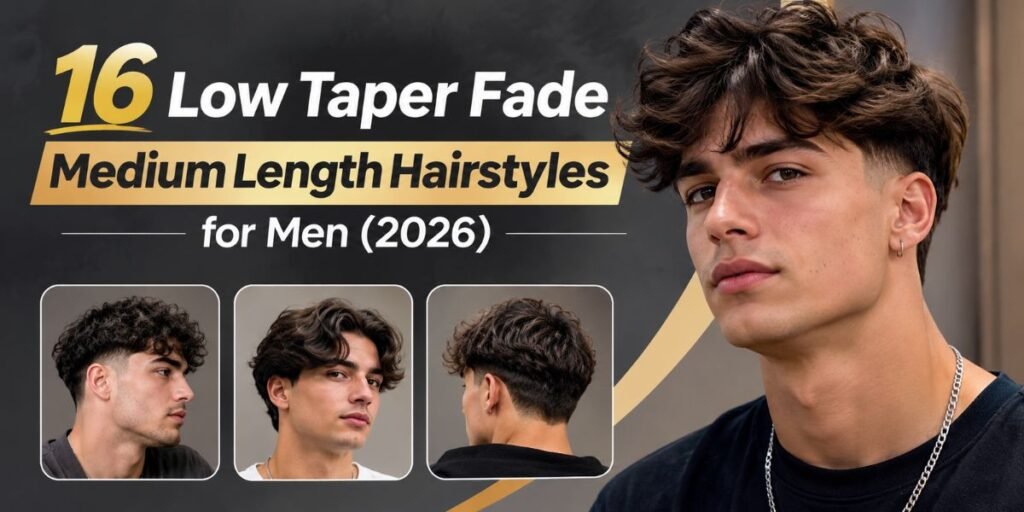
A low taper fade keeps the sides and back tight while your top stays long enough to style. It works well on medium hair because the cut adds shape without removing the length you’ve worked to grow. Below you’ll find 16 specific looks, a simple way to pick one, and the exact words to use with your barber.
Each style notes the hair type it suits and how much effort it takes each morning. You’ll also see how often to book a touch up and when to change the plan.
What is a low taper fade on medium-length hair?
A low taper fade on medium-length hair is a cut where the hair gets gradually shorter near the sideburns and the nape while the top keeps several inches of length. The shortening starts low, around the ears and the neckline, and leaves the rest of the sides blended and soft.
Think of it as a frame rather than a style. The taper cleans up the edges and the top does the talking. A low taper fade is a technique, so it pairs with almost any top you can imagine.
Is a low taper fade good for medium-length hair?
Yes, a low taper fade is a strong choice for medium-length hair because it tidies the outline while keeping weight and movement on top. It suits straight, wavy, curly, and coily hair and fits most face shapes.
The reason is simple. Medium hair can look shapeless around the ears and neck as it grows. A low taper removes that bulk in the exact spots where it hurts the look most. Your top then keeps its flow and texture.
It’s also a gentle option for first timers. The contrast is subtle, so the cut looks neat at an office desk and relaxed on the weekend.
Low taper fade vs low fade, mid taper, and classic taper
A low taper fade starts near the ears and nape and blends gradually, while a low fade usually cuts shorter and shows more contrast. A mid taper starts higher on the sides. A classic taper only shortens the sideburns and the back of the neck.
Barbers use these words loosely, so a photo always helps. Here’s a quick comparison.
| Cut | Where it starts | Contrast | Best for |
| Classic taper | Sideburns and nape only | Very soft | Conservative offices, grow out phase |
| Low taper fade | Just above the ears and nape | Soft to medium | Medium length tops, daily wear |
| Low fade | Low on the head, often shorter | Medium to sharp | Guys who want crisp edges |
| Mid taper | Around the temples | Medium | Shorter tops, a bolder outline |
The low taper sits in the middle. You get a clean finish without the strong skin contrast of a low skin fade.
16 low taper fade styles for medium-length hair
These 16 looks all pair a low taper with a top that has real length. Pick the one that matches your texture first. Then adjust the part, the layers, and the finish to your taste.
1. Middle-part curtains
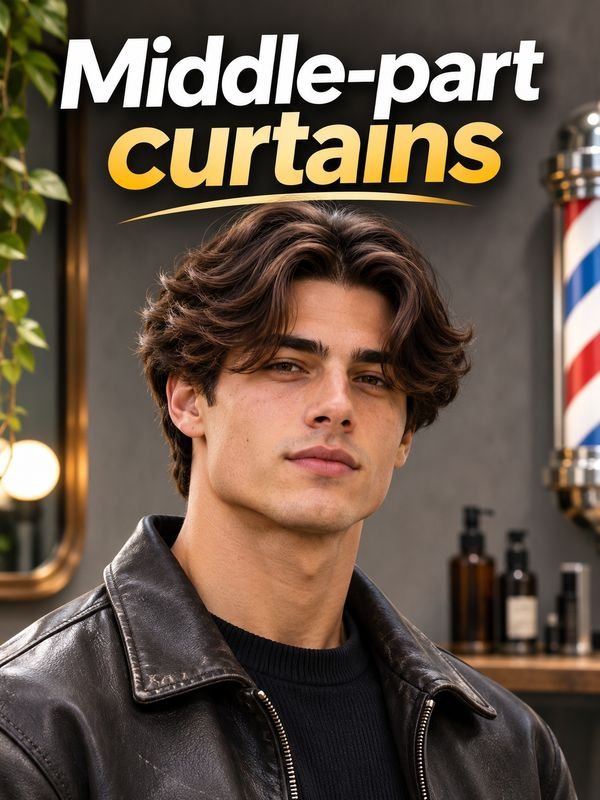
Middle part curtains work best on straight to wavy hair of medium density. The hair splits down the center and falls to each side, while the low taper keeps the ears and neck clean. Ask for even length on top that reaches your cheekbones. Style it with a light cream and a quick blow dry. Expect five minutes in the morning.
2. Side-swept flow
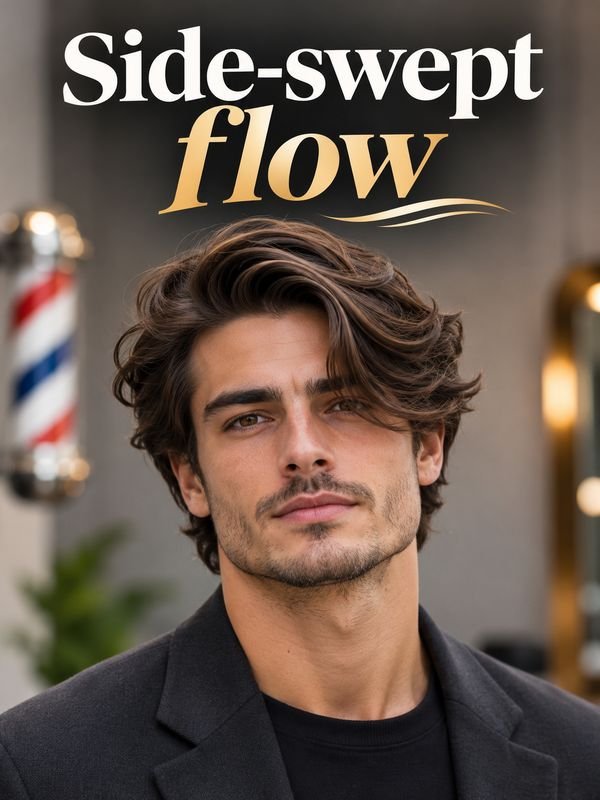
Side swept flow suits fine to medium hair that moves easily. The top sweeps across the forehead in one soft direction. A low taper stops it from looking messy. Use sea salt spray on damp hair and rake it into place with your fingers. This look forgives a missed brush.
3. Slicked-back layers
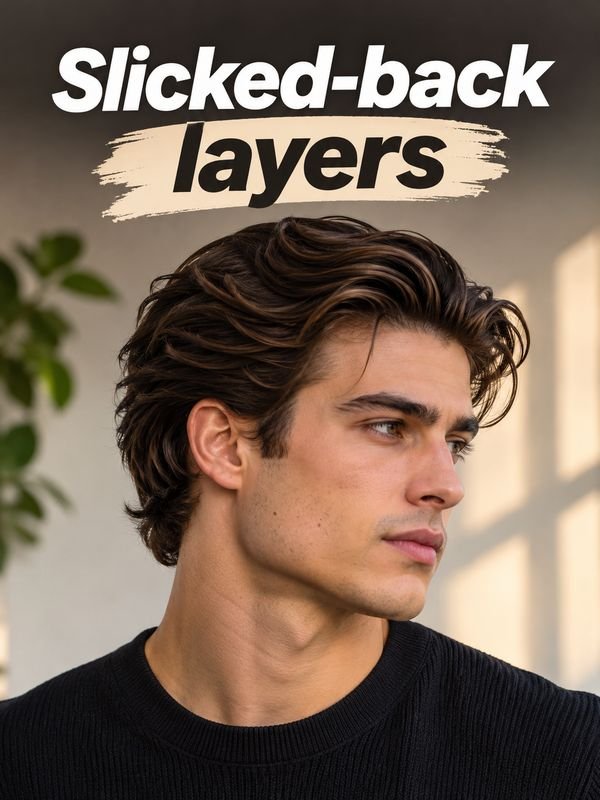
Slicked back layers fit thick straight or wavy hair. Ask for light layers so the hair lies flat without puffing out at the back. Apply a medium hold pomade to damp hair and comb it straight back. The low taper gives the finish a polished edge. It takes about ten minutes and looks sharp at events.
4. Brushed-back waves
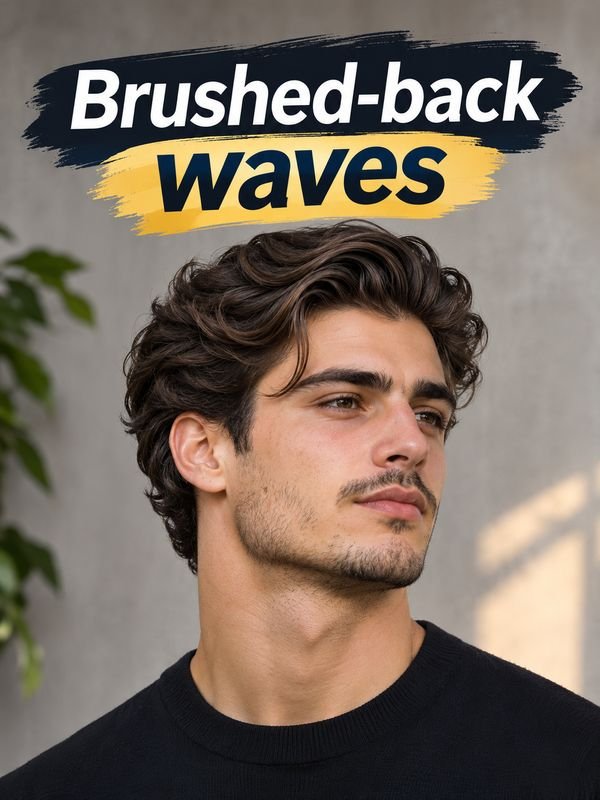
Brushed back waves are made for natural wave patterns. Let the hair dry with a little cream and brush it back with your fingers or a wide tooth comb. The taper trims the bulk around the ears so the waves stay on top where they belong. Keep the finish loose rather than glossy.
5. Textured fringe
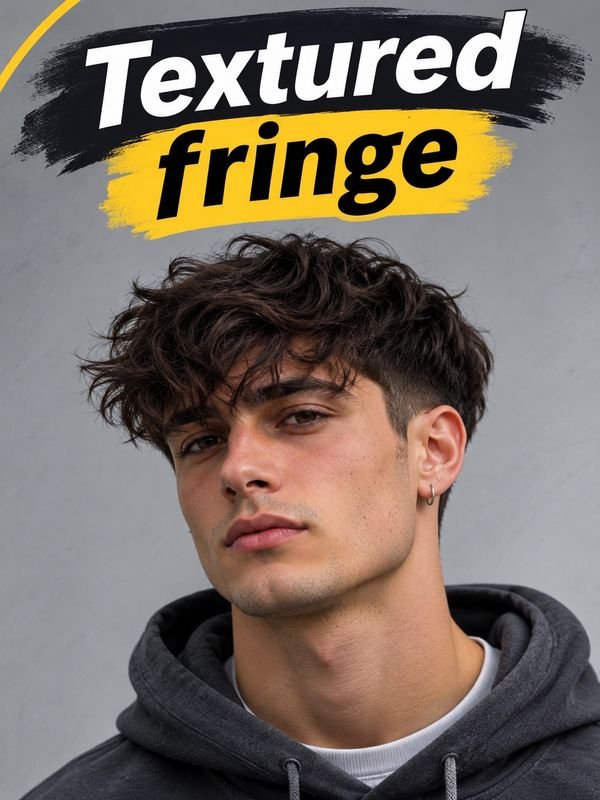
A textured fringe puts the focus on the forehead and suits fine to medium straight hair. Ask your barber to point cut the front for a broken, uneven edge. Work matte clay through dry hair and push the ends forward. It’s a youthful look that needs very little product.
6. Soft blowout taper

A soft blowout taper gives volume to thick or wavy hair. Blow dry the top upward and back with a round brush or your fingers. Finish with light hairspray. The low taper keeps the volume from spreading sideways. Plan on ten minutes with a dryer.
7. Curly fringe

A curly fringe works on 3A to 3C curls and falls forward in loose ringlets. Keep the curls hydrated with a leave in conditioner and scrunch in a curl cream. The low taper trims the sides so the curls don’t widen your face. Skip the brush. A brush turns curls into frizz.
8. Rounded curly top
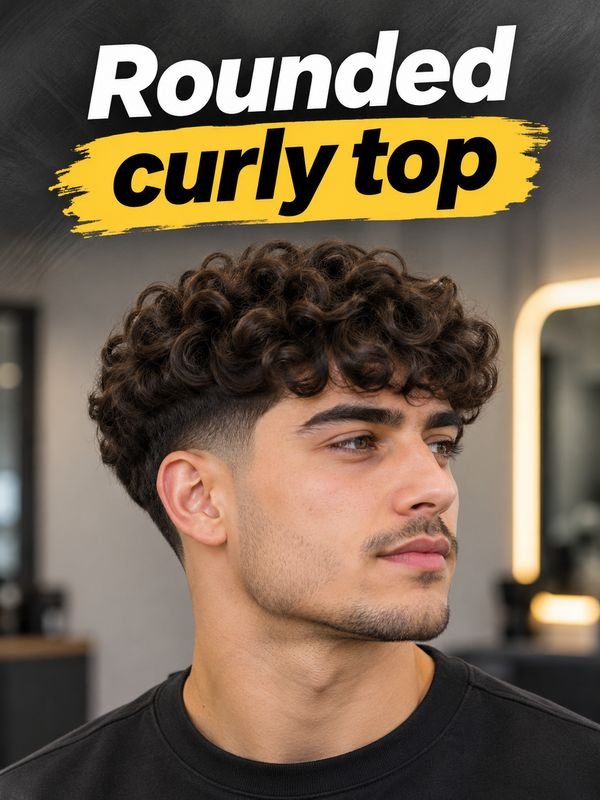
A rounded curly top suits tight curls and gives you a neat circular shape. Your barber trims the top into an even dome and tapers low around it. Define the curls with gel while the hair is wet. Then let it air dry or diffuse it on low heat. This look is easy to repeat daily.
9. Tapered afro
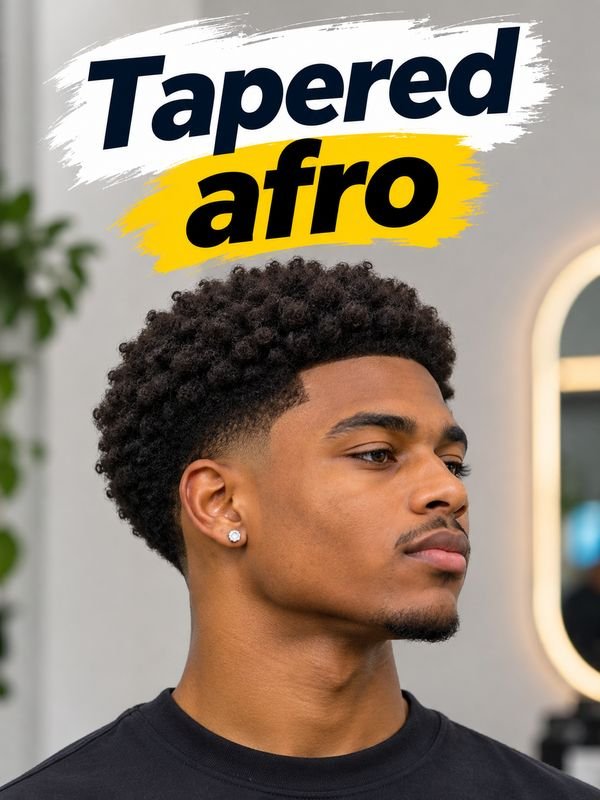
A tapered afro suits coily hair of 4A to 4C texture. The top keeps its fullness and the low taper gives the shape a clean outline around the ears and nape. Use a pick to lift the crown. A light oil or leave in conditioner adds shine without weight. Nighttime protection with a satin cap helps the shape last.
10. Twists or locs with a temple-and-nape taper
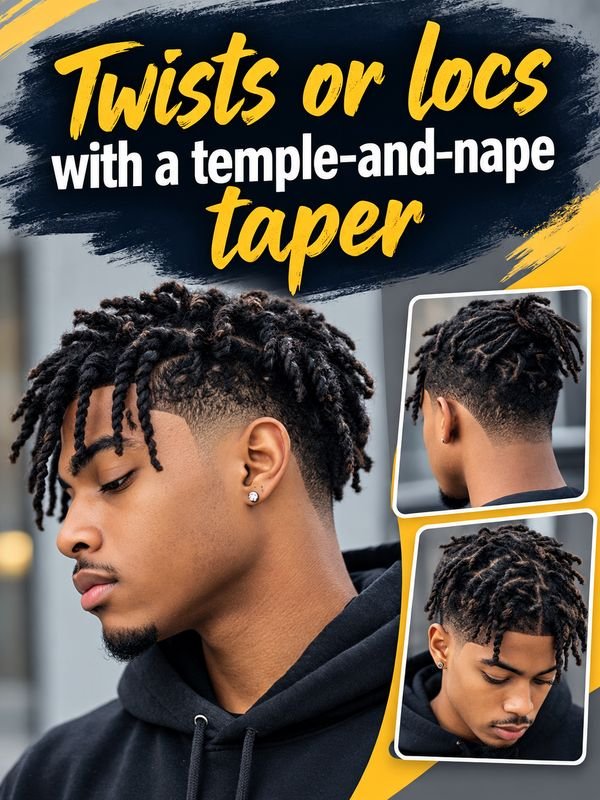
Twists or locs can sit on top while a low taper handles the temples and nape. This keeps the edges crisp and lets the longer hair stay in its pattern. Ask your barber to taper only those two zones. Retwist or maintain the locs on your usual schedule. Edges grow back fast, so plan regular visits.
11. Textured side sweep
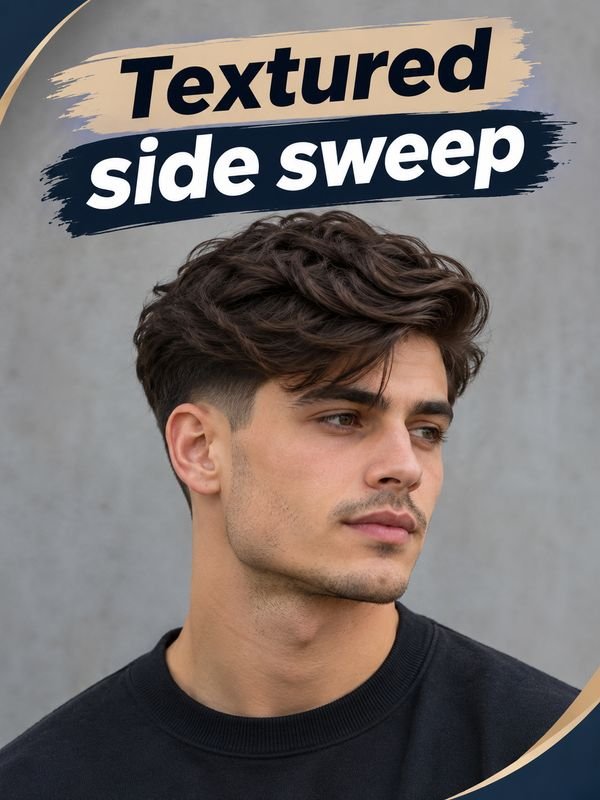
A textured side sweep is a rougher cousin of the flow style. Ask for choppy layers on top and a deep side part. Use a paste and twist the ends between your fingers. It suits medium to thick straight hair that needs help looking lived in. The taper keeps the mess intentional.
12. Layered brush-back
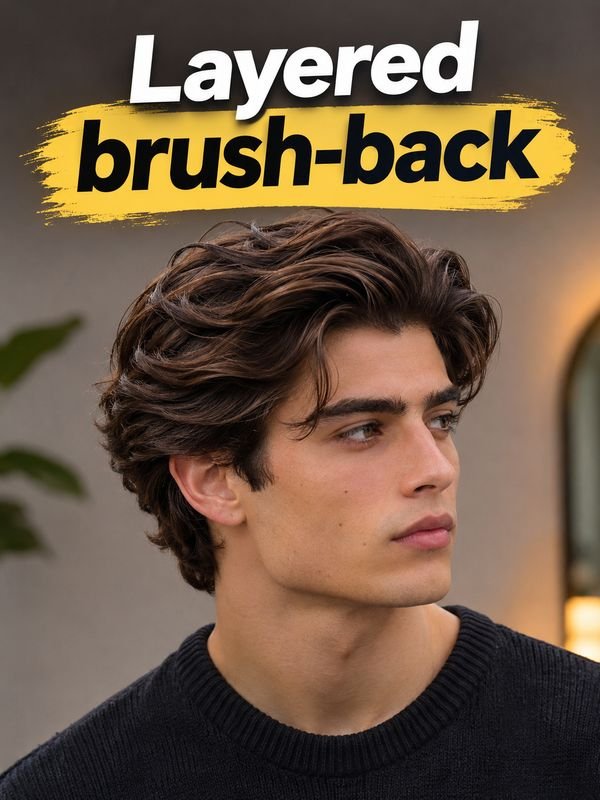
A layered brush back adds light layers so the top lifts away from the forehead. It suits wavy hair that wants shape but not height. Dry the hair with a brush pulling backward and set it with a flexible hold cream. The low taper balances the volume at the sides.
13. Low taper fade medium length hair men

This is the classic business cut. The top stays about three to four inches long with a natural side part. The low taper cleans the ears and neck for a polished finish. Use a matte paste for hold without shine. It suits nearly any hair type and fits every dress code.
14. Low taper fade medium length hair straight hair

This version fits fine straight hair that tends to lie flat. Ask your barber to add texture with point cutting. Apply a sea salt spray or volumizing powder at the roots. Blow dry upward for lift. The taper adds structure around the ears so thin hair looks fuller on top.
15. Low taper fade medium length hair straight
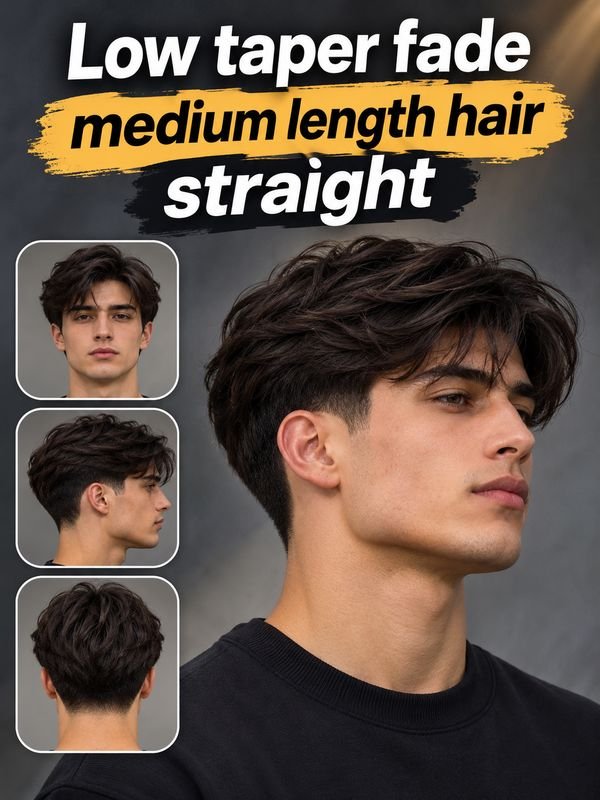
This version fits thick straight hair that can feel heavy. Ask for thinning or internal layers to remove weight. Without that step, thick straight hair can stack up at the sides and ruin the taper. Style with a light pomade and a comb. The result is smooth and controlled.
16. Low Taper Fade with medium Top
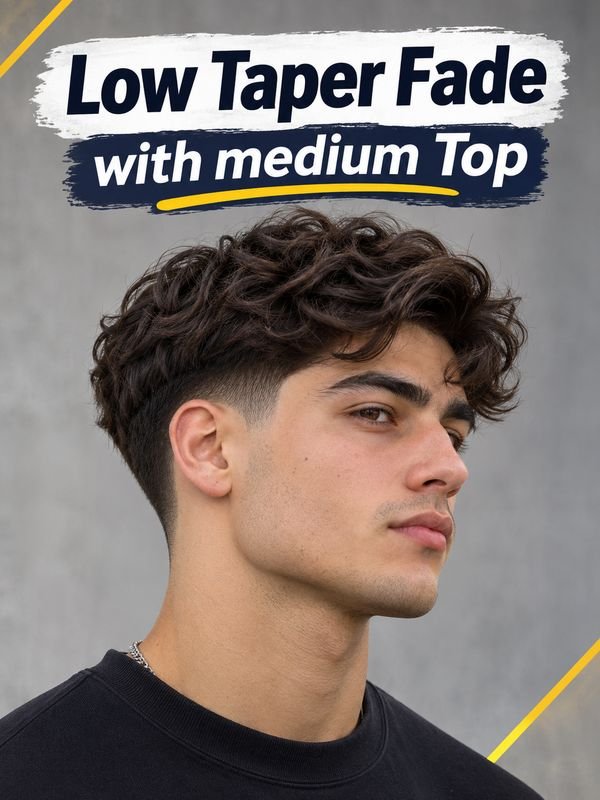
This is the simplest one. Keep the top at one even length, around two to four inches, and comb it however you like. You can part it, push it back, or leave it natural. It’s the best starting point if you’re unsure. You can build any of the earlier looks from it later.
How to choose the right version for your hair and routine
Choose by hair texture first, then by how many minutes you want to spend each morning. Texture decides what the top can do. Routine decides how much styling you’ll actually keep up.
| Hair type | Best picks | Styling time |
| Fine straight | Textured fringe, side swept flow | 3 to 5 minutes |
| Thick straight | Slicked back layers, business cut | 5 to 10 minutes |
| Wavy | Brushed back waves, curtains, layered brush back | 5 minutes |
| Curly | Curly fringe, rounded curly top | 5 to 10 minutes |
| Coily | Tapered afro, twists or locs | 5 to 10 minutes |
Face shape matters less than people think with this cut. Longer tops add height and suit rounder faces. Side swept and fringe styles soften angular jawlines. If you wear glasses or a beard, a low taper blends with both easily.
What should you ask your barber for?
Ask for a low taper fade on the sides and back with your preferred length left on top. Bring a photo and name the part, the top length, and how short you want the neckline.
Here’s a simple script you can use.
- “I’d like a low taper on the sides and back.”
- “Leave about three inches on top” (or point to the length you want).
- “Keep the neckline natural” or “square it off.”
- “Point cut the front for texture” if you want a fringe.
- “Don’t take the taper above my ears.”
That last line prevents the most common mistake. A taper that creeps too high turns into a mid taper and changes the whole look.
How do you style medium-length hair with a low taper fade?
Style it by choosing a product that matches your finish, applying it to towel dried hair, and shaping the top with your fingers or a comb. Most looks take under ten minutes.
Follow these steps.
- Wash and towel dry until the hair is damp.
- Apply a pea sized amount of product and rub it between your palms.
- Work it through from roots to ends.
- Shape the top with a dryer or let it air dry.
- Finish with a light spray if you need extra hold.
Match the product to the goal. Sea salt spray adds grit to fine hair. Matte clay gives texture and a dry finish. Pomade gives shine and control for slicked styles. Curl cream defines waves and curls without crunch.
How often does a low taper fade need maintenance?
A low taper fade usually needs a touch up every two to three weeks to stay sharp. Many men stretch it to four weeks or longer with a softer look.
Barbers and grooming sites give slightly different ranges. Treatwell says most professionals recommend two to three weeks for a taper fade. One barbershop guide says tapers often hold up for three to four weeks and can reach five to six before they look unkempt. The honest answer is that it depends on how fast your hair grows and how crisp you want the edges.
Medium length tops are more forgiving than short cuts. The growth shows mostly around the ears and neck. A quick cleanup there keeps everything looking fresh.
Problems, risks, and when to modify the cut
The main risks are a taper that sits too high, a top that looks flat, and edges that grow out fast. Most of these are easy to fix with a clear request and a small change in routine.
- A taper that looks too high. Ask your barber to keep it below the temples next time.
- Flat or limp hair on top. Add layers or texture, and use a volumizing product.
- Quick regrowth at the nape. Book shorter, more frequent visits or ask for a softer taper that grows out cleaner.
- Thick hair that puffs out. Ask for thinning or layers to remove weight.
- A receding hairline. A low taper can still work. Keep the front length intentional and choose a style that doesn’t rely on a hard line.
This guide covers styling only. If you notice patchy hair loss, a sore or flaky scalp, or sudden changes in your hair, see a doctor or dermatologist. A barber can shape your hair but can’t diagnose a scalp condition.
Explore More Hair Guide:
Curly Low Taper Fade: Stylish Haircut Ideas for Men (2026)
Low Taper Fade vs Mid Taper Fade: Best Styles for Men (2026)
Best Middle Part Low Taper Fade Hairstyles for Men (2026)
Low Taper Fade Short Hair: Modern Cuts and Easy Upkeep 2026
Frequently asked questions
What is the best low taper fade for medium-length hair?
The best choice depends on your texture. Straight hair suits a textured fringe or side swept flow. Wavy hair suits brushed back waves. Curly and coily hair suit a curly fringe or tapered afro.
How long should my hair be for this cut?
Aim for two to four inches on top. That gives you enough length to part, sweep, or brush back while still looking neat.
Does a low taper fade work on thick hair?
Yes, it works well on thick hair. Ask your barber to add layers or thin the top so the sides don’t puff out.
Can I get a low taper fade at home?
You can tidy the neckline at home but should leave the blend to a barber. The gradual transition takes clipper control and practice.
Is a low taper fade professional enough for work?
Yes, it’s one of the most office friendly cuts around. The contrast is subtle and the finish looks clean.
What’s the difference between a taper and a fade?
A taper shortens only the edges, such as the sideburns and nape. A fade shortens more of the sides and back and can go down to bare skin.
How much does the cut grow out between visits?
Most of the change shows at the nape and around the ears within two to three weeks. The top keeps its shape longer.
Final Thoughts
A low taper fade gives medium length hair a clean outline without costing you length. Start with the style that fits your texture and your morning routine. If you’re unsure, the even top in style 16 is the easiest place to begin.
Bring a photo to your barber and ask them to keep the taper low. Then book a touch up every two to four weeks and let your top do the rest.

Abdul Rehman is an author at HairsJournal, sharing helpful insights on hairstyles, haircuts, hair care, grooming tips, and the latest hair trends for readers.
